What Is Clonazepam Used For?
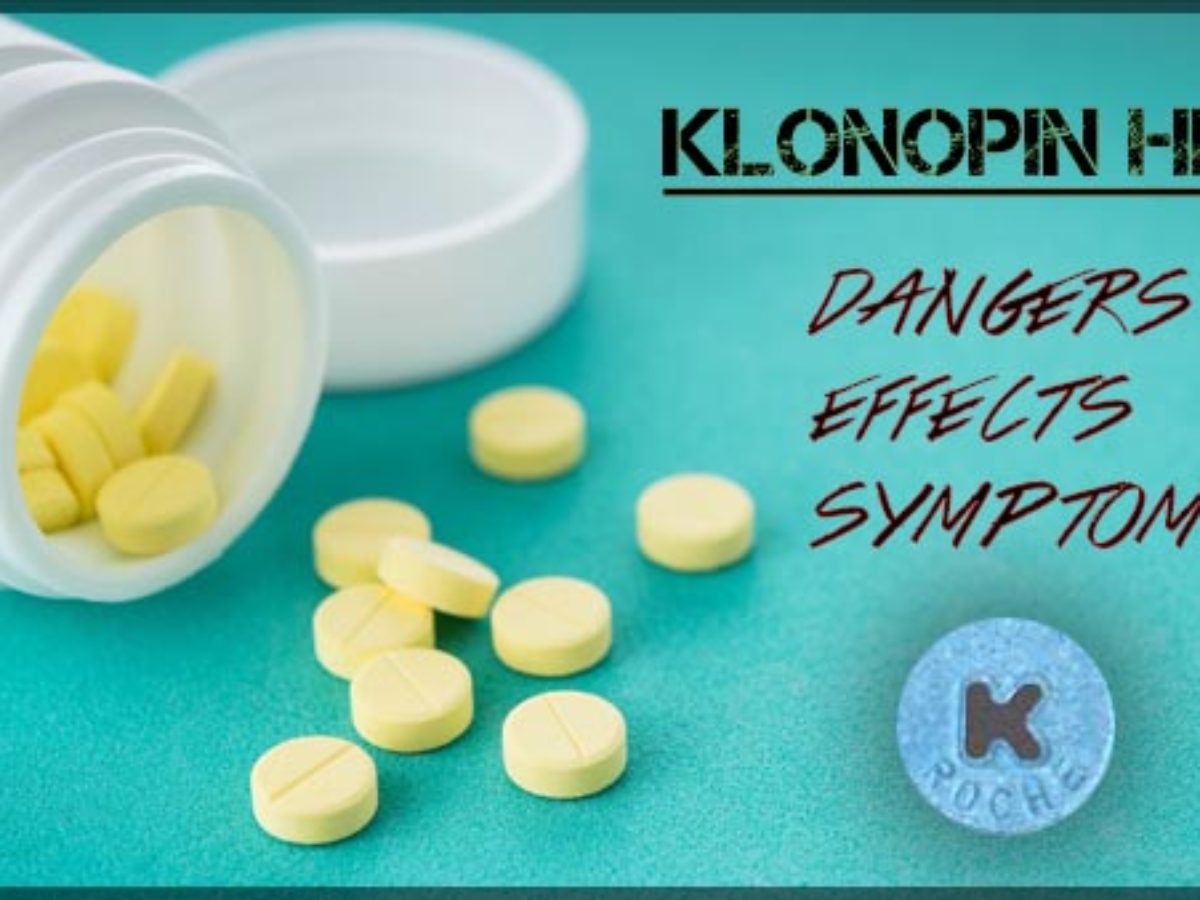
Clonazepam (Klonopin) is a prescription medicine that belongs to a group of medicines called benzodiazepines. It is used to treat several medical conditions, including certain types of seizures associated with epilepsy, panic disorder and involuntary muscle spasms. In some circumstances, it may also be used for other conditions under specialist medical supervision.
Clonazepam works by increasing the activity of a calming chemical in the brain called gamma-aminobutyric acid (GABA). This can help reduce abnormal electrical activity in the brain, calm excessive nervous system activity and relax muscles.
However, clonazepam can cause side effects and may lead to dependence, particularly with prolonged use. It should only be taken exactly as prescribed by a qualified healthcare professional.
What Is Clonazepam?
Clonazepam is a long-acting benzodiazepine medicine available only on prescription. It is sometimes known by the brand name Klonopin in certain countries.
Benzodiazepines work by affecting the central nervous system. Clonazepam increases the activity of GABA, a chemical messenger that helps reduce excessive brain activity.
Depending on why it is prescribed, this effect may help:
- Control certain seizures or fits
- Reduce panic symptoms
- Relax involuntary muscle spasms
- Help calm excessive activity in the nervous system
Clonazepam may make some people feel calm, relaxed or sleepy. However, these effects can vary depending on the individual and the medical condition being treated.
“Because clonazepam is often compared with other benzodiazepine medicines, understanding the differences between these medications can help explain why a doctor may choose one treatment over another. Read our guide on [Xanax vs Klonopin: What’s the Difference?].”
What Conditions Is Clonazepam Used For?
Clonazepam can be prescribed for several conditions. The exact reason for prescribing it depends on an individual’s symptoms, medical history and overall health.
1. Clonazepam for Epilepsy and Seizures
One of the main medical uses of clonazepam is helping to control certain types of seizures or fits.
Seizures can occur when there is abnormal electrical activity in the brain. Clonazepam can help reduce this excessive activity and may be used as part of an epilepsy treatment plan.
When clonazepam is prescribed for seizures, treatment and dosing may need careful adjustment and monitoring.
2. Clonazepam for Panic Disorder
Clonazepam may be prescribed in some cases for panic disorder, a condition involving repeated and unexpected panic attacks.
A panic attack can cause intense physical and emotional symptoms, including:
- A racing heartbeat
- Shaking or trembling
- Shortness of breath
- Sweating
- Feeling dizzy
- Chest discomfort
- Intense fear
- Feeling that something terrible is about to happen
Clonazepam can have a calming effect on the nervous system and may reduce anxiety symptoms. However, benzodiazepines are not suitable for everyone, and longer-term treatment for panic disorder may involve psychological therapies or other medicines.
Treatment should always be discussed with a qualified healthcare professional.
3. Clonazepam for Muscle Spasms
Clonazepam may also be prescribed for certain involuntary muscle spasms.
Muscle spasms can involve sudden or uncontrolled muscle contractions. Depending on the underlying condition, clonazepam may help relax tense muscles and reduce excessive nervous system activity.
The treatment approach will depend on what is causing the spasms.
Clonazepam should not be used for unexplained muscle symptoms without medical assessment.
4. Clonazepam and Restless Legs Syndrome
In some situations, clonazepam may be used for symptoms associated with restless legs syndrome.
Restless legs syndrome can cause an uncomfortable urge to move the legs, often when resting or trying to sleep.
However, treatment depends on the underlying cause and the individual’s symptoms. Lifestyle changes and other treatments may also be considered.
“Sleep problems can have many different causes, including anxiety, restless legs syndrome and insomnia. You may also find our guide on [What Is Insomnia?] helpful.”
How Does Clonazepam Work?
Clonazepam works by increasing the effects of GABA, a calming chemical messenger in the brain.
GABA helps reduce excessive activity within the nervous system.
By increasing GABA activity, clonazepam can:
- Calm excessive brain activity
- Help control some seizures
- Reduce anxiety and panic symptoms
- Relax certain muscle spasms
- Cause sedation or sleepiness
The effects of clonazepam can vary depending on the condition being treated.
For panic disorder, NHS information states that clonazepam can begin working in around one hour. For seizures and muscle spasms, it may take longer to reach its full effect because doses may be gradually adjusted.
“Different medicines can affect the brain and nervous system in different ways. For more information about another commonly discussed benzodiazepine, see our guide on [What Is Lorazepam Used For?].”
What Does Clonazepam Feel Like?
People can experience clonazepam differently.
Some people may experience:
- Feeling calmer
- Feeling relaxed
- Reduced anxiety
- Sleepiness
- Drowsiness
- Slower thinking
- Dizziness
Clonazepam may also cause confusion, particularly when treatment first begins or if the medicine affects the individual strongly.
Because clonazepam can cause drowsiness and reduced alertness, people should avoid driving, cycling or operating machinery if they feel sleepy, dizzy or impaired.
Common Clonazepam Side Effects
Like all medicines, clonazepam can cause side effects.
Common side effects may include:
- Daytime drowsiness
- Sleepiness
- Dizziness
- Feeling light-headed
- Feeling unsteady
- Muscle weakness
- Problems with coordination
- Difficulty thinking clearly
- Memory problems
- Disturbed sleep or vivid dreams
Not everyone experiences side effects, but it is important to speak with a doctor or pharmacist if side effects are persistent, severe or concerning.
“Side effects can vary between different benzodiazepines. For a comparison of two commonly discussed medicines, read our guide on [Xanax vs Klonopin].”
Can Clonazepam Cause Dependence?
Yes. Clonazepam can cause physical dependence, particularly when taken regularly for an extended period.
The body may become accustomed to the medicine over time.
This does not mean everyone who takes clonazepam will develop addiction. However, the risk can increase with prolonged use, higher doses or use outside prescribed instructions.
The NHS notes that clonazepam can be addictive and that dependence and withdrawal can become concerns when it is taken for longer periods. If clonazepam has been used regularly, a healthcare professional may recommend gradually reducing the dose rather than stopping suddenly.
Important
Do not suddenly stop taking clonazepam without speaking to a healthcare professional.
Stopping suddenly after regular use may cause withdrawal symptoms.
What Are Clonazepam Withdrawal Symptoms?
Stopping clonazepam suddenly after regular use can lead to withdrawal symptoms.
Possible withdrawal symptoms may include:
- Anxiety
- Nervousness
- Sleep problems
- Sweating
- Shaking
- Difficulty concentrating
- Changes in mood
- Muscle twitching
- Seizures
Withdrawal can be serious, particularly after regular or prolonged use.
For this reason, treatment should not be stopped suddenly without medical advice. A doctor may recommend gradually reducing the dose where appropriate.
Can You Drink Alcohol While Taking Clonazepam?
Alcohol should not be combined with clonazepam.
Alcohol can increase the sedative effects of clonazepam and may lead to dangerous levels of drowsiness or difficulty waking up.
The NHS specifically advises against drinking alcohol while taking clonazepam.
Can Clonazepam Be Taken With Other Medicines?
Clonazepam can interact with other medicines.
Particular caution may be needed with medicines that cause drowsiness or slow down the central nervous system.
This can include some:
- Opioid pain medicines
- Sleeping medicines
- Other benzodiazepines
- Sedating medicines
Combining clonazepam with certain medicines can increase the risk of excessive sedation and serious breathing problems. A doctor or pharmacist should always be informed about all medicines and supplements being taken.
“If you are taking medication for sleep, it is important to understand how sedative medicines can interact. Read our guide comparing [Ambien vs Zopiclone] for more information about commonly discussed prescription sleep medicines.”
Who Should Be Careful When Taking Clonazepam?
Clonazepam may not be suitable for everyone.
Speak with a healthcare professional before taking clonazepam if you have:
- Breathing problems
- Severe liver problems
- A history of alcohol or drug dependence
- Certain neurological or medical conditions
- A history of serious reactions to benzodiazepines
Older adults may also be more sensitive to some effects of sedative medicines, including drowsiness and problems with coordination.
Always provide your doctor or pharmacist with information about your medical history and other medicines before starting treatment.
When Should You Seek Urgent Medical Help?
Seek urgent medical attention if you experience serious symptoms such as:
- Difficulty breathing
- Severe or unusual drowsiness
- Being difficult to wake
- Severe confusion
- A serious allergic reaction
- Swelling of the face, mouth or throat
In the UK, call 999 or go to A&E for a medical emergency.
The NHS advises seeking immediate emergency help for serious breathing problems or signs of a severe allergic reaction while taking clonazepam.
Frequently Asked Questions About Clonazepam
What is clonazepam mainly used for?
Clonazepam is used for certain types of seizures associated with epilepsy, panic disorder and involuntary muscle spasms. In some circumstances, it may also be used for restless legs syndrome.
Is clonazepam used for anxiety?
Clonazepam can have calming effects and may be prescribed for panic disorder. However, treatment for anxiety depends on the specific type of anxiety and the individual situation.
Benzodiazepines are generally associated with risks when used long term, and treatment options may include talking therapies and other medicines depending on the condition.
How quickly does clonazepam work?
How quickly clonazepam works depends on the condition being treated.
For panic disorder, NHS information states that it can take around one hour to start working. For seizures and muscle spasms, the full effect may take longer because treatment can involve gradually adjusting the dose.
Does clonazepam make you sleepy?
Yes. Drowsiness and daytime sleepiness are among the common side effects of clonazepam.
Is clonazepam addictive?
Clonazepam can cause dependence and may be habit-forming. The risk can increase with prolonged use or use outside prescribed instructions.
Always take clonazepam exactly as prescribed and speak to a healthcare professional before stopping treatment.
Can you stop clonazepam suddenly?
No. You should not suddenly stop clonazepam without medical advice, especially after regular or prolonged use.
A healthcare professional may recommend gradually reducing the dose to lower the risk of withdrawal symptoms.
Final Thoughts: What Is Clonazepam Used For?
Clonazepam is a prescription benzodiazepine medicine used for several conditions, including certain types of seizures, panic disorder and involuntary muscle spasms.
It works by increasing the activity of GABA, a calming chemical in the brain.
While clonazepam can be an important treatment for some people, it can also cause side effects, drowsiness, dependence and withdrawal symptoms. It should only be taken according to the instructions of a qualified healthcare professional.
Buy Clonazepam Online No Rx
While the medicine is effective for approved and off-label uses both but understanding how fast it works offer more useful insights. Do not take extra pills even if you don’t feel anything after the first dose. Carecraftmedsnow offers you your essential medicines with secure and discreet delivery all across the UK. We even provide overnight options if you need it fast. Our prices are competitive. If you want safe and effective control over your symptoms, buy Clonazepam today without prescription from Carecraftmedsnow.