Prescription vs. OTC Sleep Aids: What Every Patient Should Know
Sleep is essential for maintaining good physical and mental health. Yet millions of people struggle with insomnia or occasional sleepless nights. If you’re considering medication to improve your sleep, understanding the difference between prescription sleep aids and over-the-counter (OTC) sleep aids is crucial.
This guide explains how these medications work, their benefits, risks, and how to choose the safest option for your needs.
What Are Sleep Aids?
Sleep aids are medications or supplements designed to help people fall asleep, stay asleep, or improve sleep quality. They generally fall into two categories:
- Prescription sleep medications
- Over-the-counter (OTC) sleep aids
Although both are intended to promote sleep, they differ significantly in strength, effectiveness, potential side effects, and appropriate use.
What Are Prescription Sleep Aids?
Prescription sleep aids are medications that require approval from a healthcare provider. They are typically recommended for individuals with chronic insomnia or persistent sleep disorders that interfere with daily life.
Common Types of Prescription Sleep Aids
- Non-benzodiazepine hypnotics
- Orexin receptor antagonists
- Melatonin receptor agonists
- Certain antidepressants prescribed for insomnia
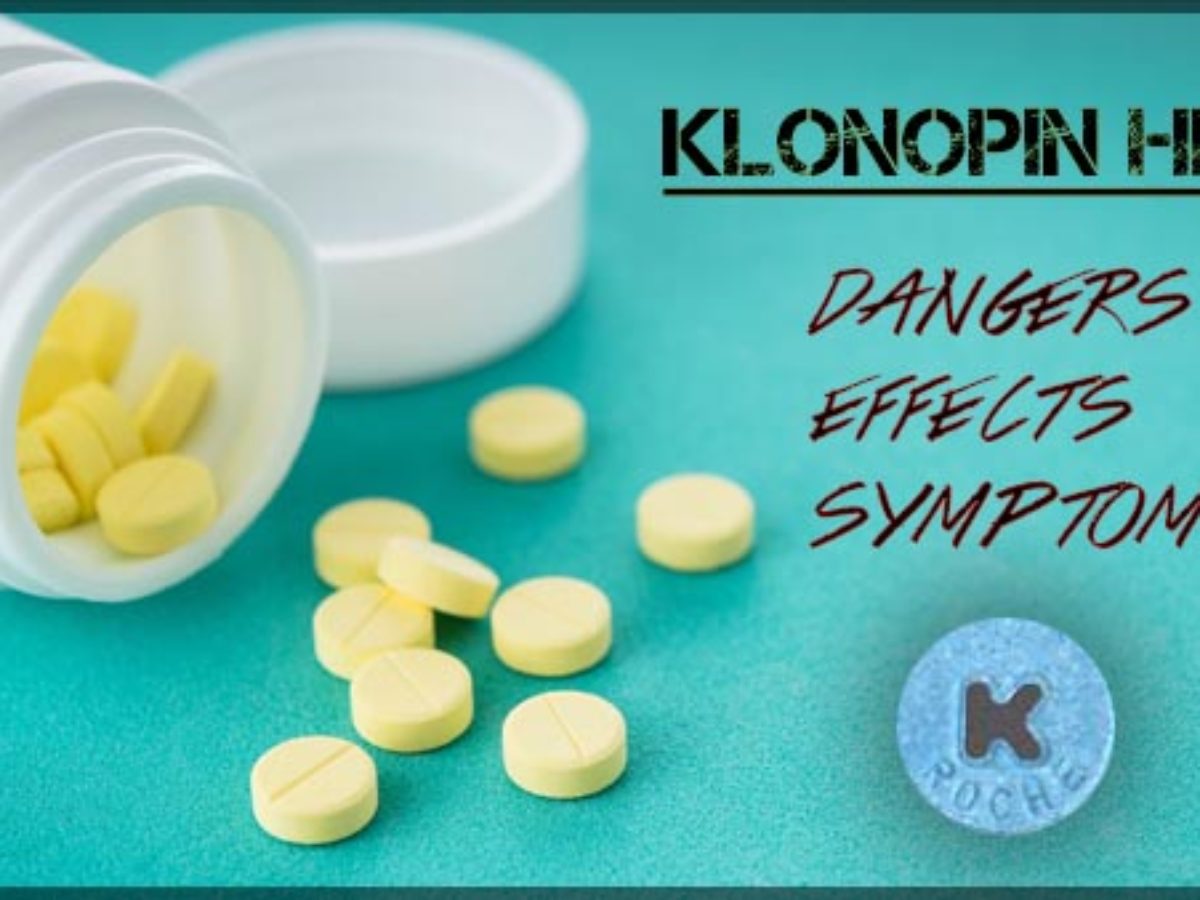
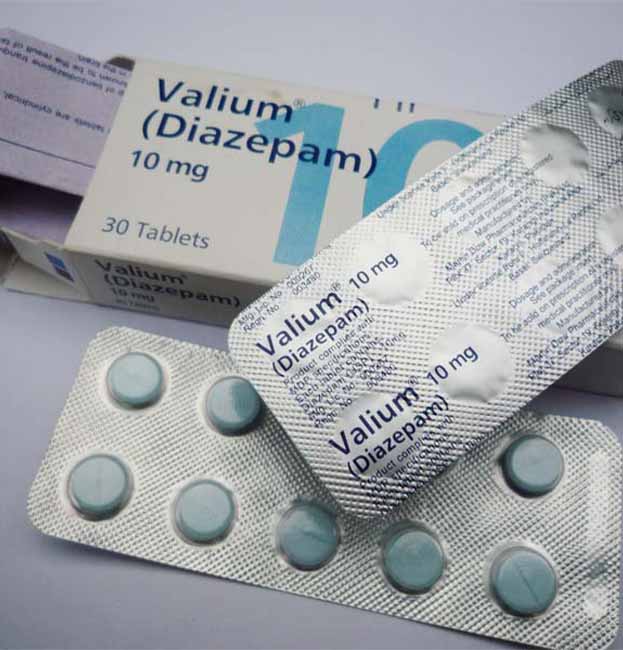
- Benzodiazepines (used in select situations)
Benefits
- More effective for chronic insomnia
- Target specific sleep problems
- Can improve both sleep onset and sleep maintenance
- Used under medical supervision
Potential Risks
- Daytime drowsiness
- Dizziness or impaired coordination
- Memory problems
- Dependence with some medications
- Drug interactions
- Sleepwalking or unusual sleep-related behaviors in rare cases
Because of these risks, prescription sleep medications should only be taken exactly as directed by a healthcare provider.
What Are OTC Sleep Aids?
Over-the-counter sleep aids are available without a prescription and are generally intended for short-term or occasional sleep difficulties.
Most OTC sleep medications contain antihistamines that cause drowsiness. Some people also use melatonin supplements to support their sleep cycle, although melatonin is a dietary supplement rather than a traditional sleep medication.
Benefits
- Easily accessible
- Helpful for temporary sleeplessness
- Lower cost than many prescription options
- Convenient for occasional use
Potential Risks
- Morning grogginess
- Dry mouth
- Constipation
- Blurred vision
- Reduced effectiveness with repeated use
- May not address the underlying cause of insomnia
Older adults should be especially cautious, as antihistamine-based sleep aids may increase the risk of confusion, falls, and urinary retention.
Prescription vs. OTC Sleep Aids: Key Differences
| Feature | Prescription Sleep Aids | OTC Sleep Aids |
|---|---|---|
| Availability | Requires a prescription | Available without a prescription |
| Best For | Chronic insomnia | Occasional sleeplessness |
| Strength | Generally stronger | Generally milder |
| Medical Supervision | Yes | No |
| Risk of Dependence | Possible with some medications | Generally lower |
| Long-Term Use | Only under medical guidance | Not recommended |
Which Option Is Right for You?
Choosing the right sleep aid depends on several factors, including:
- How long you’ve had trouble sleeping
- Whether you have difficulty falling asleep or staying asleep
- Your age
- Other medical conditions
- Current medications
- Pregnancy or breastfeeding status
- History of substance use
If your sleep problems occur more than three nights per week for several months, it’s important to speak with a healthcare provider rather than relying on OTC medications.
When Should You See a Healthcare Provider?
Seek medical advice if you:
- Have insomnia lasting longer than a few weeks
- Snore loudly or stop breathing during sleep
- Feel excessively sleepy during the day
- Depend on sleep medication regularly
- Experience side effects from sleep aids
- Have anxiety, depression, or chronic pain affecting your sleep
Persistent sleep problems may indicate an underlying medical condition that requires evaluation and treatment.
Tips for Better Sleep Without Medication
Medication is not always the first or best solution. Healthy sleep habits can significantly improve sleep quality.
Try these sleep hygiene strategies:
- Maintain a consistent sleep schedule
- Avoid caffeine late in the day
- Limit alcohol before bedtime
- Reduce screen time at least one hour before sleep
- Keep your bedroom cool, dark, and quiet
- Exercise regularly, but avoid vigorous activity close to bedtime
- Practice relaxation techniques such as deep breathing or meditation
These lifestyle changes can often enhance sleep and reduce the need for medication.
Safety Tips for Using Sleep Aids
Whether using prescription or OTC sleep medications:
- Follow the recommended dosage.
- Never combine sleep aids with alcohol unless advised by your healthcare provider.
- Inform your healthcare provider about all medications and supplements you take.
- Avoid driving or operating machinery until you know how the medication affects you.
- Do not use sleep aids longer than recommended without medical guidance.
Frequently Asked Questions
Are OTC sleep aids safe to use every night?
Most OTC sleep aids are intended for short-term use. Regular or long-term use may lead to reduced effectiveness and increased side effects.
Are prescription sleep medications addictive?
Some prescription sleep medications have the potential for dependence, while others have a lower risk. Your healthcare provider can recommend the most appropriate option based on your medical history.
Is melatonin better than prescription sleep medicine?
Melatonin may help people with circadian rhythm-related sleep issues or occasional insomnia, but it is generally less effective than prescription medications for chronic insomnia.
Can I take sleep aids with other medications?
Some sleep medications can interact with other prescription drugs, over-the-counter medications, and supplements. Always consult a healthcare provider or pharmacist before combining treatments.
Final Thoughts
Both prescription and over-the-counter sleep aids can play a role in managing sleep difficulties, but they are not one-size-fits-all solutions. OTC sleep aids may be appropriate for occasional sleeplessness, while prescription medications are typically reserved for chronic insomnia and should be used under medical supervision.
If your sleep problems are persistent or affecting your quality of life, consult a qualified healthcare provider. Addressing the underlying cause of insomnia, along with healthy sleep habits, often leads to the most effective and lasting improvement.