Hip pain can make everyday activities like walking, climbing stairs, sleeping, or even sitting uncomfortable. Whether it’s caused by muscle strain, arthritis, bursitis, or overuse, knowing how to relieve hip pain immediately can help you reduce discomfort and get back to your daily routine.
In this guide, you’ll discover effective home remedies, stretches, and lifestyle changes that provide fast relief while also learning when it’s time to see a healthcare professional.
What Causes Hip Pain?
Before treating hip pain, it’s important to understand what’s causing it. Common causes include:
- Muscle strain
- Hip bursitis
- Arthritis
- Tendon inflammation
- Sciatica
- Hip flexor injury
- Poor posture
- Overuse from exercise
- Sleeping on one side for too long
The best treatment often depends on the underlying cause.
12 Ways to Relieve Hip Pain Immediately
1. Rest Your Hip
One of the fastest ways to reduce hip pain is to stop activities that aggravate the joint.
Avoid:
- Running
- Heavy lifting
- Jumping
- Deep squats
Resting allows inflamed tissues time to recover without additional stress.
2. Apply Ice for Immediate Pain Relief
If your pain started suddenly after exercise or injury, use an ice pack.
How to apply ice:
- Wrap an ice pack in a towel.
- Apply for 15–20 minutes.
- Repeat every 2–3 hours during the first 48 hours.
Ice helps reduce:
- Swelling
- Inflammation
- Pain signals
3. Use Heat for Tight Muscles
Heat works best for chronic hip pain or muscle stiffness.
Try:
- Heating pad
- Warm shower
- Warm bath
- Heat wraps
Heat increases blood circulation and relaxes tight muscles surrounding the hip.
4. Perform Gentle Hip Stretches
Stretching can improve flexibility while reducing muscle tension.
Helpful stretches include:
Hip Flexor Stretch
Reduces tightness in the front of the hip.
Figure-Four Stretch
Targets the glutes and piriformis muscle.
Piriformis Stretch
Helps relieve sciatic nerve irritation.
Butterfly Stretch
Improves hip mobility.
Hold each stretch for 20–30 seconds without bouncing.
5. Walk for a Few Minutes
Although rest is important, complete inactivity can make hip stiffness worse.
A short 5–10 minute walk can:
- Improve circulation
- Lubricate the hip joint
- Reduce stiffness
Stop if walking increases your pain significantly.
6. Improve Your Posture
Poor posture often contributes to hip pain.
Try these posture tips:
- Sit with both feet flat on the floor.
- Keep knees level with hips.
- Avoid crossing your legs.
- Stand up every 30–60 minutes if you work at a desk.
Good posture reduces unnecessary stress on your hip joints.
7. Sleep in a Better Position
Hip pain often becomes worse at night.
For better sleep:
- Sleep on your back whenever possible.
- Place a pillow beneath your knees.
- If sleeping on your side, place a pillow between your knees.
- Avoid sleeping directly on the painful hip.
These adjustments help keep the hips aligned and reduce pressure.
8. Take Over-the-Counter Pain Relievers
For temporary relief, over-the-counter medications may help reduce pain and inflammation.
Examples include:
- Acetaminophen
- Ibuprofen
- Naproxen
Always follow the label instructions and consult a healthcare provider if you have certain medical conditions or take other medications.
9. Massage the Hip Muscles
Massage can help relax muscles around the hip joint.
Focus on:
- Glute muscles
- Hip flexors
- IT band
- Lower back
Foam rolling may also help relieve muscle tightness.
10. Stay Hydrated
Muscles and connective tissues function better when properly hydrated.
Aim to drink enough water throughout the day, especially if you’re physically active.
11. Strengthen Supporting Muscles
Weak muscles can contribute to recurring hip pain.
Exercises such as:
- Glute bridges
- Clamshells
- Side leg raises
- Bodyweight squats (if comfortable)
can improve hip stability over time.
12. Maintain a Healthy Weight
Extra body weight increases pressure on the hip joints.
Even modest weight loss can reduce stress on the hips and improve mobility over time.
When Should You See a Doctor?
Seek medical attention if:
- Hip pain lasts longer than one week
- You cannot bear weight on your leg
- Pain follows a fall or accident
- You notice swelling or redness around the joint
- You develop fever with hip pain
- The pain becomes progressively worse
Persistent hip pain may require imaging or evaluation for conditions such as arthritis, bursitis, tendon injuries, or fractures.
Frequently Asked Questions
What is the fastest way to relieve hip pain?
The fastest methods include resting the hip, applying ice for recent injuries, using heat for stiffness, performing gentle stretches, and taking over-the-counter pain relievers as directed.
Is walking good for hip pain?
Yes, gentle walking may help reduce stiffness and improve mobility. However, avoid walking if it causes severe pain or you cannot comfortably bear weight.
Should I use ice or heat?
- Ice: Best for new injuries, swelling, or inflammation.
- Heat: Best for muscle tightness, chronic pain, and stiffness.
What sleeping position is best for hip pain?
Sleeping on your back or placing a pillow between your knees while side sleeping can reduce pressure on the hips.
Final Thoughts
Hip pain can make the affected area stiff, sore and difficult to move, particularly when walking, standing or changing position. To help relieve hip pain, you can rest the affected area, use a cold or warm compress, and try gentle stretches if movement does not worsen the pain. Mild hip pain can sometimes improve on its own, depending on the cause. If pain or soreness continues, appropriate painkillers may help provide relief.
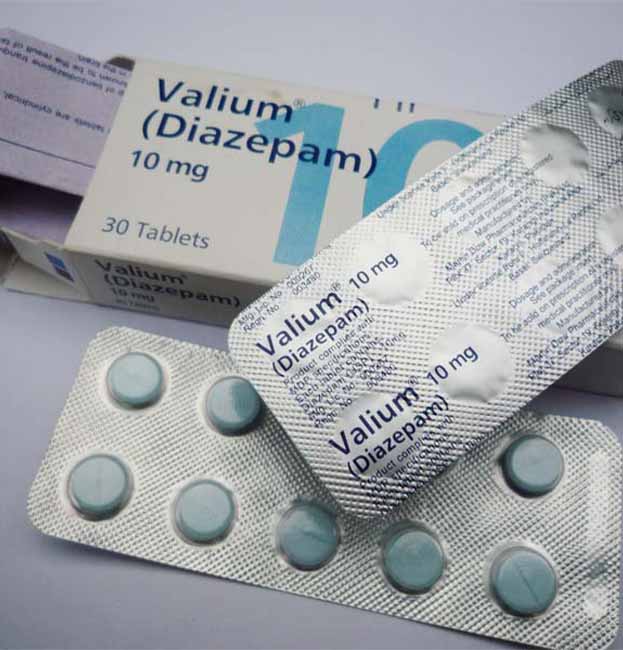
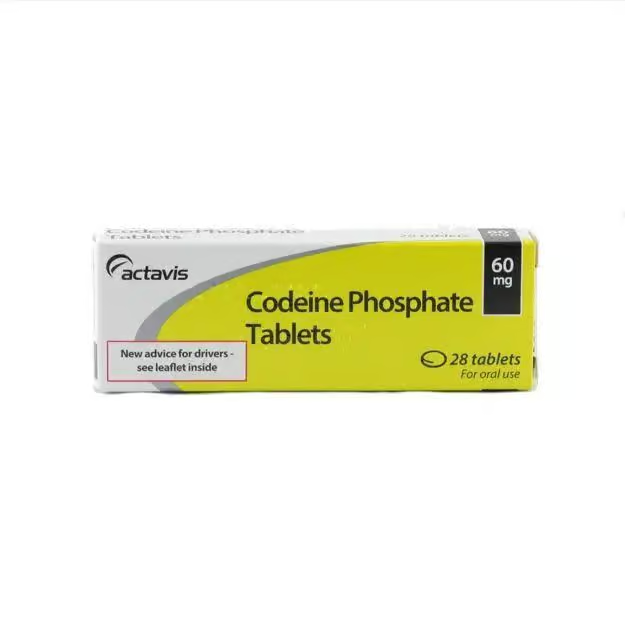
But if the pain or soreness is still there you can use normal painkillers for them. Go for strong analgesics like codeine phosphate and Tramadol 100mg etc. only when normal analgesics are no longer effective. If you need strong painkillers or other essential medicines like sleeping pills and anxiety tablets, buy from Carecraftmedsnow. We are offering 100% genuine medicines at highly affordable prices. The best part is you don’t need a prescription to place your order with us. You can get them delivered right at your doorstep overnight no matter where you live in the UK, USA & EU. We are trying to make genuine medicines more accessible in the UK,USA & EU.