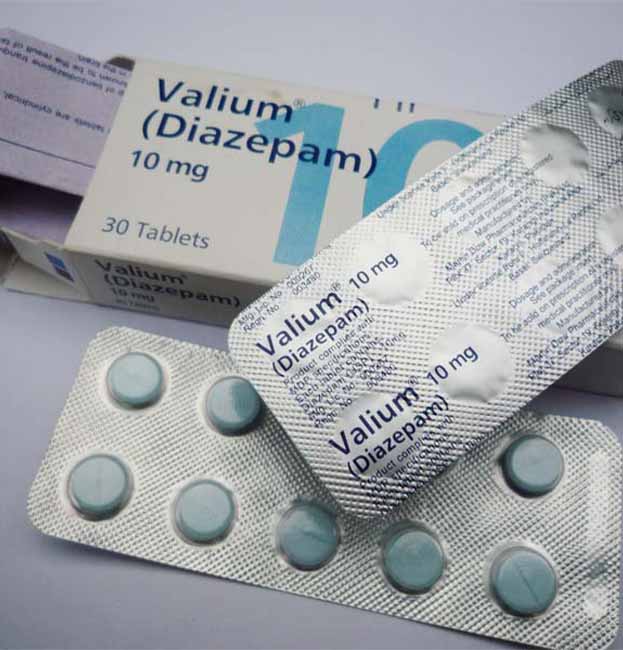
If you have recently started ADHD medication and noticed that your appetite has changed or your weight is dropping, you may be wondering: Do ADHD medications cause weight loss?
The answer is that some ADHD medicines can reduce appetite, and reduced food intake can lead to weight loss. This effect is particularly associated with stimulant medicines such as methylphenidate and lisdexamfetamine. However, ADHD medication should not be used as a weight-loss treatment, and significant or unexplained weight loss should be discussed with a healthcare professional.
This guide explains the connection between ADHD medications and weight loss, why appetite can decrease, which medicines can affect weight and what you can do if you are concerned.
If you are still trying to understand whether your symptoms could be related to ADHD, read our guide to ADHD symptoms in adults, including common signs and when to seek a professional assessment.
Medical note: This article is for general information and does not replace advice from your prescriber or another qualified healthcare professional.
Can ADHD Medication Cause Weight Loss?
Yes. Some ADHD medications can cause appetite suppression, which may result in weight loss.
For example, the NHS lists loss of appetite as a common side effect of methylphenidate and notes that some people may experience weight loss during the first few months of treatment. (nhs.uk)
UK ADHD prescribing guidance also recommends monitoring weight in adults taking ADHD medication because medicines including methylphenidate, lisdexamfetamine, dexamfetamine and atomoxetine can suppress appetite.
However, the amount of weight change varies considerably between individuals.
Some people may experience little or no change, while others may notice a reduction in appetite and body weight after starting treatment or changing their dose.
Why Do ADHD Medications Cause Weight Loss?
The main explanation is often reduced appetite.
Some ADHD medicines affect brain signalling involved in attention, alertness and appetite. When appetite decreases, a person may:
- Feel less hungry during the day
- Forget to eat
- Eat smaller meals
- Skip snacks
- Feel full sooner
- Have less interest in food
If someone consistently consumes less food than their body needs, their weight can fall.
NHS guidance specifically notes that some people taking ADHD medicines may find it harder to maintain a healthy weight because they feel less hungry.
There can also be a behavioural component. For someone with ADHD, medication may change eating routines—for example, they may become more focused on work or another activity and forget to have lunch.
Which ADHD Medications Can Cause Weight Loss?
If you want to understand the different medicines used to manage ADHD, their common effects and what to discuss with your prescriber, see our guide to ADHD medications and treatment options.
Different ADHD medicines can affect appetite and weight differently.
Methylphenidate
Methylphenidate is a commonly prescribed stimulant for ADHD. It is available under several brand names and in immediate- and modified-release formulations.
Loss of appetite is a recognised side effect, and some people may experience weight loss, particularly during the first months of treatment. (nhs.uk)
Lisdexamfetamine
Lisdexamfetamine is another stimulant used to treat ADHD. Appetite suppression and weight loss can occur, so weight and appetite may be monitored during treatment.
Dexamfetamine
Dexamfetamine is another stimulant that can affect appetite. UK prescribing guidance lists decreased appetite among potential adverse effects.
Atomoxetine
Atomoxetine is a non-stimulant ADHD medicine, but it can also suppress appetite in some people. UK guidance recommends monitoring weight in people taking ADHD medicines, including atomoxetin
Guanfacine
Guanfacine has a different side-effect profile. Some UK guidance notes that, unlike several ADHD medicines that can suppress appetite, guanfacine can be associated with weight gain, so weight may also need monitoring.
If you have already been assessed and prescribed ADHD medication, you can visit our ADHD medication shop to view the products and availability on our website. Always use ADHD medicines only as prescribed and follow the directions provided by your healthcare professional.
Important: This does not mean one ADHD medication is automatically better for weight than another. Medication choice depends on the individual’s ADHD symptoms, medical history, side effects, response to treatment and the prescriber’s assessment.
Does ADHD Medication Always Cause Weight Loss?
No.
Not everyone taking ADHD medication loses weight.
The effect can depend on factors such as:
- The medication being taken
- Dose
- Individual response
- Appetite before treatment
- Eating habits
- Other medications
- Physical activity
- Underlying health conditions
- How long treatment has been continued
Some people notice appetite suppression when they first start medication and find that it becomes less noticeable over time.
For example, the NHS notes that people taking methylphenidate may experience some weight loss during the first few months and may regain the weight after becoming accustomed to the medicine. (nhs.uk)
How Much Weight Can You Lose on ADHD Medication?
There is no single amount of weight loss that applies to everyone.
Some people experience little change, while others may lose a noticeable amount of weight because their appetite falls significantly.
Rather than focusing only on a specific number of kilograms or pounds, healthcare professionals consider the overall pattern of weight change, appetite, nutrition and health.
UK adult ADHD guidance recommends measuring weight before and after dose changes and continuing to monitor it during treatment.
If your weight is dropping unexpectedly or you are struggling to eat enough, contact your prescriber.
Does Adderall Cause Weight Loss?
Adderall contains amphetamine salts and is a stimulant medication used for ADHD in some countries, particularly the United States.
Because stimulant medicines can suppress appetite, weight loss can occur in some people taking amphetamine-based ADHD medication.
However, losing weight is not the purpose of ADHD treatment. Taking stimulant medication specifically to lose weight can be unsafe and is not an appropriate substitute for evidence-based weight-management treatment.
If you are experiencing significant weight loss while taking an ADHD stimulant, discuss it with your prescriber rather than changing your dose yourself.
Does Elvanse Cause Weight Loss?
Elvanse is the UK brand name for lisdexamfetamine.
Lisdexamfetamine can reduce appetite in some people, which may contribute to weight loss. UK prescribing guidance recommends monitoring weight in adults receiving ADHD medication.
If you have noticed significant weight loss after starting Elvanse, speak with your prescribing clinician. They can assess whether the medication, dose, eating pattern or another factor may be responsible.
Is Weight Loss From ADHD Medication Dangerous?
A small change in appetite or weight may not necessarily indicate a serious problem.
However, significant, rapid or ongoing weight loss should not be ignored.
Contact your doctor or prescribing clinician if you:
- Are losing weight without intending to
- Have very little appetite
- Regularly skip meals
- Feel weak or unusually tired
- Are struggling to maintain your weight
- Have symptoms of poor nutrition
- Have experienced a substantial change in weight after a dose increase
Your clinician may review your medication, dose, eating pattern and other possible causes of weight loss.
What Can You Do If ADHD Medication Reduces Your Appetite?
If your medication is making it difficult to eat enough, several strategies may help.
Eat before the medication becomes most effective
Some people find it easier to eat a good breakfast before appetite suppression becomes noticeable.
Try smaller meals more frequently
If large meals seem difficult, smaller meals and snacks throughout the day may be easier.
Plan meals and snacks
ADHD itself can make it easy to lose track of time or forget meals. Setting reminders can help maintain a regular eating schedule.
Eat when your appetite returns
Some prescribing guidance recommends additional meals or snacks earlier in the morning or later in the evening when stimulant effects have reduced.
Choose nutritious, energy-dense foods when appropriate
If your appetite is significantly reduced, a healthcare professional or dietitian can help you choose foods that provide sufficient nutrition without requiring very large meals.
Speak with your prescriber
If appetite suppression or weight loss continues, your clinician may consider whether the medication or dose needs reviewing. UK guidance includes options such as dose reduction, changing medication or a treatment break in appropriate circumstances.
Do not change, stop or take less ADHD medication without discussing it with your prescriber.
Can ADHD Medication Be Used for Weight Loss?
ADHD medication should not be taken simply to lose weight.
Although appetite suppression and weight loss can occur as side effects of some stimulant medicines, that does not make them appropriate weight-loss medications.
There are specifically licensed weight-management treatments that work through different mechanisms and are prescribed according to individual eligibility and medical circumstances. The NHS explains that weight-management medicines may be considered alongside diet and lifestyle changes for eligible people. (nhs.uk)
If weight management is one of your concerns, discuss it with a healthcare professional rather than using ADHD medication for this purpose.
ADHD Medication and Weight Gain
Weight changes associated with ADHD treatment are not always one-directional.
Some people may lose weight because of appetite suppression, while others may experience little change or gain weight for other reasons.
Changes in ADHD symptoms, eating habits, activity levels, sleep, other medications and underlying health conditions can all influence weight.
This is another reason why weight should be monitored rather than assuming that ADHD medication will automatically cause weight loss.
ADHD Medication and Appetite: What Should You Monitor?
If you take ADHD medication, it can be useful to pay attention to:
Appetite: Are you noticeably less hungry?
Meals: Are you skipping meals more frequently?
Weight: Has your weight changed since starting or changing medication?
Energy: Are you feeling unusually weak or tired?
Hydration: Are you drinking enough fluids?
Side effects: Are other symptoms occurring alongside appetite loss?
Your healthcare professional can use this information when reviewing your treatment.
Frequently Asked Questions About ADHD Medication and Weight Loss
Does ADHD medication make you lose weight?
Some ADHD medicines can reduce appetite and cause weight loss. This is more commonly associated with stimulant medicines, although other ADHD medicines can also affect appetite.
Which ADHD medication causes the most weight loss?
There isn’t one medication that causes the same amount of weight loss in everyone. Individual responses vary, and medication should be selected based on ADHD symptoms, effectiveness, side effects and medical circumstances.
Does methylphenidate cause weight loss?
Methylphenidate can reduce appetite and may cause weight loss in some people, particularly during the first few months of treatment. (nhs.uk)
Does Elvanse cause weight loss?
Elvanse (lisdexamfetamine) can suppress appetite, which may lead to weight loss in some people. Weight should be monitored during ADHD treatment.
Does Adderall cause weight loss?
Adderall is an amphetamine-based stimulant, and appetite suppression and weight loss can occur. It should only be used as prescribed and should not be taken specifically for weight loss.
Will I regain weight after stopping ADHD medication?
Weight changes after stopping medication vary between individuals. Do not stop ADHD medication solely because of weight changes without first discussing your concerns with your prescriber.
How can I stop losing weight on ADHD medication?
Speak with your healthcare professional. They may recommend strategies such as adjusting meal timing, adding snacks, monitoring weight or reviewing the medication and dose.
Should I stop my ADHD medication if I’m losing weight?
Do not stop or change your medication without speaking to your prescriber. Significant weight loss should be assessed so that the cause and appropriate treatment can be determined.
Understanding Your ADHD Medication Options
Choosing an ADHD medication should be based on an appropriate clinical assessment and advice from a qualified prescriber. If you have already been assessed and prescribed treatment, you can visit our ADHD medication shop to explore the ADHD medicines and related information available through our website.
If you have concerns about appetite suppression, weight loss or other side effects, speak with your prescriber before starting, stopping or changing your medication.
Final Thoughts
ADHD medications can affect appetite and, in some people, lead to weight loss. Stimulants such as methylphenidate and lisdexamfetamine are particularly associated with appetite suppression, but the effect varies from person to person.
Weight loss should be viewed as a potential side effect rather than a reason to take ADHD medication. If you notice persistent appetite loss or significant changes in your weight, speak with your prescribing clinician. Regular monitoring can help ensure that ADHD treatment remains both effective and appropriate.