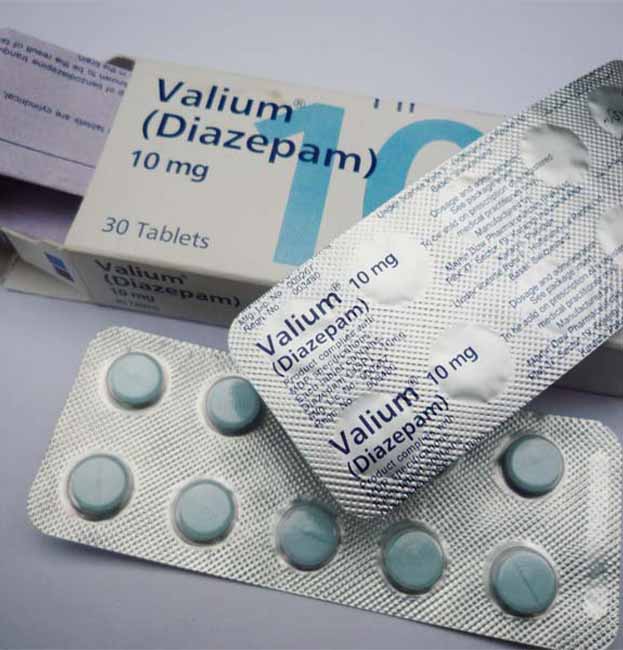
Valium is a well-known brand name for diazepam, a prescription medicine belonging to a group of medicines called benzodiazepines.
Diazepam is used in specific medical situations to help manage conditions such as severe anxiety, muscle spasms, certain seizure disorders, alcohol withdrawal and sedation before some medical procedures.
Because Valium can cause drowsiness, impaired coordination, dependence and other serious side effects, it should only be used under appropriate medical supervision.
This guide explains what Valium is used for, how diazepam works, its possible side effects and important safety information.
Important: This article is for general information and does not replace medical advice. Diazepam should only be taken as prescribed by a qualified healthcare professional.
What Is Valium?
Valium is a brand name for diazepam.
Diazepam belongs to the benzodiazepine family of medicines, which affect activity in the central nervous system.
It works by enhancing the effects of GABA (gamma-aminobutyric acid), a neurotransmitter involved in reducing excessive activity in the brain.
As a result, diazepam can have:
- Calming effects
- Sedative effects
- Muscle-relaxing effects
- Anti-seizure effects
The exact effects can vary depending on why the medicine has been prescribed.
To learn more about this group of medicines, read our complete guide to benzodiazepines, including how they work and their potential risks.
What Is Valium Used For?
Diazepam may be prescribed for several medical purposes.
1. Severe Anxiety
Diazepam may sometimes be used for the short-term management of severe anxiety.
However, benzodiazepines are generally not considered a long-term solution for anxiety because regular use can lead to tolerance and dependence.
A healthcare professional will consider whether diazepam is appropriate based on your individual symptoms and medical history.
🔗 INTERNAL LINK PLACEMENT #2
Add:
If you want to understand anxiety symptoms and treatment options, read our complete guide on what anxiety is and how it can affect daily life.
Suggested anchor text: what anxiety is
Link to: Your Anxiety pillar article.
2. Muscle Spasms
Diazepam can also be used to help manage certain types of muscle spasms.
Its muscle-relaxing effects may help reduce muscle stiffness and involuntary muscle contractions in specific medical situations.
3. Seizures
Diazepam may be used in specific situations to help control certain types of seizures.
Emergency seizure treatment should always be carried out according to an individual’s prescribed medical plan.
4. Alcohol Withdrawal
In some cases, diazepam may be used under medical supervision to help manage symptoms of alcohol withdrawal.
Alcohol withdrawal can be dangerous, particularly for people who have been drinking heavily or regularly.
Never attempt to manage severe alcohol withdrawal without medical advice.
5. Sedation Before Medical Procedures
Healthcare professionals may sometimes use diazepam to help reduce anxiety or produce sedation before certain medical or dental procedures.
How Does Valium Work?
Valium works by affecting the activity of GABA, a naturally occurring chemical messenger in the brain.
GABA helps regulate nerve activity.
Diazepam enhances the effects of GABA, which can reduce excessive brain activity and produce a calming or sedating effect.
This mechanism helps explain why diazepam can be used for:
- Anxiety
- Muscle spasms
- Seizures
- Alcohol withdrawal
- Sedation
However, the calming effects that make benzodiazepines medically useful can also contribute to misuse and dependence.
Learn more about how benzodiazepines affect the brain in our guide explaining how benzodiazepines work.
How Long Does Valium Take to Work?
The time diazepam takes to produce noticeable effects can vary depending on factors such as:
- The formulation prescribed
- The dose
- Individual metabolism
- Age
- Other medicines
- Whether it is taken as prescribed
Avoid taking additional doses simply because you do not immediately feel the desired effect.
Taking more than prescribed can increase the risk of dangerous side effects.
Read our detailed guide on how long Valium takes to work and the factors that may affect its onset.
How Long Does Valium Last?
Diazepam is generally considered a relatively long-acting benzodiazepine.
However, how long its effects are noticeable can vary from person to person.
The duration can be affected by:
- Dose
- Age
- Liver function
- Metabolism
- Other medicines
The duration of noticeable effects is different from how long diazepam and its metabolites remain in the body.
🔗 INTERNAL LINK PLACEMENT #5
Add:
Learn more in our guide on how long Valium lasts and what factors can affect its duration.
Suggested anchor text: how long Valium lasts
Link to: Your future Valium duration article.
Common Valium Side Effects
Like all medicines, Valium can cause side effects.
Common side effects may include:
- Drowsiness
- Sleepiness
- Dizziness
- Muscle weakness
- Fatigue
- Reduced coordination
- Slower reaction times
Some people may experience side effects that affect their ability to drive or operate machinery.
🔗 INTERNAL LINK PLACEMENT #6
Add:
For a more detailed explanation of possible reactions, read our complete guide to Valium side effects.
Suggested anchor text: Valium side effects
Link to: Your future Valium Side Effects article.
Serious Side Effects and When to Seek Urgent Help
Seek urgent medical attention if someone taking diazepam experiences symptoms such as:
- Severe difficulty breathing
- Extreme sleepiness or inability to wake normally
- Severe confusion
- Loss of consciousness
- Signs of a serious allergic reaction
The risk of serious breathing problems can increase when diazepam is combined with other substances that slow down the central nervous system.
This can include:
- Alcohol
- Opioid medicines
- Other sedatives
- Certain sleeping medicines
🌐 EXTERNAL LINK PLACEMENT #1
Add:
For official medicine safety information, consult the NHS or your country’s medicines regulator.
Suggested anchor text: official medicine safety information
Link to: NHS diazepam guidance.
Is Valium Addictive?
Valium can cause physical dependence, particularly when taken regularly for longer periods.
Tolerance can also develop, meaning the body may become less responsive to the same dose over time.
Dependence does not necessarily mean addiction, but both can occur with benzodiazepines.
Never increase your dose or continue taking diazepam longer than prescribed without medical advice.
Learn more about dependence risks in our detailed guide answering the question: Is Valium addictive?
Can You Stop Taking Valium Suddenly?
Stopping diazepam suddenly after regular use can cause withdrawal symptoms.
In some situations, withdrawal can be serious.
Possible symptoms may include:
- Anxiety
- Restlessness
- Difficulty sleeping
- Tremors
- Sweating
- Irritability
More serious complications can occur in some circumstances.
Do not suddenly stop regular benzodiazepine treatment without speaking to the healthcare professional managing your medication.
Read our guide to Valium withdrawal symptoms and why professional medical guidance is important when stopping benzodiazepines.
Valium and Alcohol
Alcohol should not be combined with diazepam unless a healthcare professional specifically advises otherwise.
Both substances can slow activity in the central nervous system.
Combining them can increase the risk of:
- Extreme drowsiness
- Poor coordination
- Loss of consciousness
- Dangerous breathing problems
🔗 INTERNAL LINK PLACEMENT #9
Add:
Read our complete guide on Valium and alcohol to understand the potential risks of combining the two.
Suggested anchor text: Valium and alcohol
Link to: Your future Valium and alcohol article.
Valium Drug Interactions
Diazepam can interact with other medicines and substances.
Tell your doctor or pharmacist about all medicines, supplements and substances you use.
Particular caution may be needed with:
- Opioid pain medicines
- Other benzodiazepines
- Sleeping medicines
- Sedating antihistamines
- Alcohol
- Certain antidepressants
Do not start or stop medicines without discussing possible interactions with a qualified healthcare professional.
Learn more about medicines and substances that may interact with diazepam in our guide to Valium drug interactions.
Who Should Be Careful When Taking Valium?
Diazepam may not be suitable for everyone.
Your healthcare professional will consider factors such as:
- Your age
- Medical history
- Breathing problems
- Liver problems
- Other medicines
- Previous substance-use problems
- Pregnancy or breastfeeding
Always provide your prescriber with accurate medical information before starting treatment.
Important Safety Tips
If diazepam has been prescribed to you:
- Take it exactly as prescribed
- Do not take more than recommended
- Do not share your medication
- Avoid alcohol unless medically advised otherwise
- Avoid driving if you feel drowsy or impaired
- Store the medicine securely
- Do not stop regular use suddenly without medical advice
Frequently Asked Questions About Valium
What Is Valium?
Valium is a brand name for diazepam, a prescription medicine belonging to the benzodiazepine group.
What Is Valium Used For?
Diazepam may be prescribed for conditions including severe anxiety, muscle spasms, certain seizure disorders, alcohol withdrawal and sedation before some medical procedures.
Is Valium the Same as Diazepam?
Yes. Valium is a brand name for diazepam.
Does Valium Make You Sleepy?
Drowsiness and sleepiness can occur as side effects of diazepam.
However, you should not use diazepam specifically for sleep unless it has been prescribed for you and your healthcare professional has advised you to use it in that way.
How Long Does Valium Take to Work?
The onset of effects can vary depending on the formulation, dose and individual factors.
Never take extra medicine because you believe it is taking too long to work.
Is Valium Addictive?
Regular use can lead to tolerance and physical dependence, and some people may develop problematic use. Diazepam should therefore be used exactly as prescribed.
Can You Drink Alcohol While Taking Valium?
Combining alcohol and diazepam can increase sedation and breathing risks. Speak with your healthcare professional about alcohol use while taking diazepam.
Final Thoughts
Valium, also known as diazepam, is a benzodiazepine medicine used in several medical situations.
It can be helpful when prescribed appropriately, but it also carries important risks, including drowsiness, impaired coordination, tolerance and dependence.
The safest approach is to use diazepam exactly as prescribed and remain in contact with the healthcare professional managing your treatment.
If you experience severe side effects, breathing difficulties or extreme sedation, seek urgent medical help.