You have been awake all day and can barely keep your eyes open. By the time you finally get into bed, you expect to fall asleep immediately. But instead of drifting off, you lie there awake.
Your body feels exhausted, but your mind is alert.
You may start checking the clock, worrying about how little sleep you are getting, and wondering, “Why am I so tired but can’t sleep?”
This frustrating experience is common. Feeling tired does not always mean your body will immediately transition into sleep. Stress, anxiety, an irregular sleep schedule, stimulants, certain medications, environmental factors, and insomnia can all interfere with your ability to fall asleep.
In this guide, we explain why you may feel exhausted but unable to sleep, the symptoms to look for, and what you can do to improve your sleep.
Why Am I So Tired but Can’t Sleep?
Being tired and being able to sleep are related, but they are not exactly the same thing.
Your body needs enough sleep drive to make you feel sleepy, but your brain also needs the right conditions to switch into sleep mode. If your nervous system is highly alert, stressed, stimulated, or following an irregular sleep pattern, you may feel physically exhausted while remaining mentally awake.
This can create the frustrating feeling of:
- Heavy or tired eyes
- Physical exhaustion
- Difficulty concentrating
- Low energy
- Feeling sleepy during the day
- Feeling completely awake once you get into bed
- Racing thoughts at night
- Taking a long time to fall asleep
In some people, worrying about not sleeping can make the problem worse. The more you think, “I have to fall asleep now,” the more alert and frustrated you may become.
If your sleep problems happen regularly, understanding the common signs of insomnia may help you identify whether your symptoms are more than an occasional sleepless night.
Common Reasons You Are Tired but Can’t Sleep
1. Stress and Anxiety Are Keeping Your Brain Alert
Stress can leave your nervous system in a heightened state of alertness.
You may feel physically exhausted after a long day, but once everything becomes quiet at night, your thoughts may become louder. You might start thinking about work, relationships, finances, responsibilities, or things that happened earlier in the day.
Common signs include:
- Racing thoughts
- Overthinking
- Feeling restless in bed
- Muscle tension
- A fast heartbeat
- Worrying about the next day
- Feeling anxious about not sleeping
Anxiety can also create a cycle where poor sleep increases stress, and stress then makes it harder to sleep.
For a closer look at the connection between worry and sleep problems, read our guide on how anxiety can affect your ability to sleep.
2. Your Sleep Schedule May Be Disrupted
Your internal body clock, also known as your circadian rhythm, helps regulate when you feel awake and when you feel sleepy.
An irregular sleep schedule can make it difficult to fall asleep at the time you want.
This may happen if you:
- Go to bed at different times every night
- Sleep in late at weekends
- Take long naps
- Work night shifts
- Frequently travel across time zones
- Spend very little time in daylight during the day
For example, sleeping for several hours in the afternoon may leave you feeling physically tired later but reduce the amount of sleep pressure you have built up by bedtime.
3. You Are Using Caffeine Too Late in the Day
Caffeine can remain in your system for several hours.
Coffee, tea, energy drinks, cola, and some pre-workout products may make it harder to fall asleep, particularly if consumed later in the day.
You may feel tired because you have had a long and exhausting day, but caffeine can still keep your brain stimulated enough to delay sleep.
If you regularly experience the tired but can’t sleep feeling, consider looking at the timing and amount of caffeine you consume.
Caffeine is only one factor that can interfere with sleep, so if you are experiencing persistent difficulty falling asleep, you may also want to read our guide to the common causes of insomnia
4. Your Mind Has Learned to Associate Bed With Wakefulness
If you regularly spend hours lying awake, scrolling on your phone, working, worrying, or watching television in bed, your brain may begin associating your bedroom with being awake rather than sleeping.
This can lead to a pattern where:
You feel sleepy → get into bed → suddenly feel more alert → struggle to sleep.
Over time, this association may contribute to ongoing insomnia.
One approach used in behavioural treatment for insomnia focuses on strengthening the connection between the bed and sleep.
5. You May Be Experiencing Insomnia
Insomnia is more than simply having one bad night of sleep.
People with insomnia may experience difficulty:
- Falling asleep
- Staying asleep
- Returning to sleep after waking
- Getting restorative sleep
You may feel extremely tired during the day but still struggle to sleep when you finally have the opportunity.
Short-term insomnia can sometimes be triggered by stressful events, changes in routine, illness, travel, or other temporary factors. Persistent sleep difficulties should be discussed with a qualified healthcare professional.
6. You Are Overthinking Your Sleep
Sleep anxiety can develop when you begin worrying about whether you will be able to sleep.
Thoughts may include:
- “What if I don’t sleep tonight?”
- “I only have five hours left.”
- “Tomorrow is going to be terrible.”
- “Why am I still awake?”
- “I need to fall asleep right now.”
Checking the clock repeatedly can increase this pressure.
Unfortunately, trying to force sleep can sometimes make you more aware of being awake.
Instead of focusing on making yourself sleep immediately, it can be helpful to focus on creating conditions that support relaxation and a consistent sleep routine.
If racing thoughts are one of the main reasons you struggle to switch off at night, you may also find our guide on how to stop overthinking at night useful.
7. Screens and Stimulation Before Bed
Using a phone, computer, television, or other stimulating content immediately before bed may make it harder for some people to wind down.
It is not only the screen itself that can keep you awake. Social media, emails, videos, gaming, upsetting news, and conversations can also increase mental stimulation.
If you notice that you become more alert after using your phone in bed, try creating a period of lower stimulation before sleep.
Symptoms of Being Exhausted but Unable to Sleep
If you are tired but unable to fall asleep, you may experience:
- Constant daytime fatigue
- Difficulty concentrating
- Brain fog
- Irritability
- Low motivation
- Heavy eyelids
- Headaches
- Feeling physically exhausted
- Racing thoughts at bedtime
- Restlessness
- Frustration about not sleeping
Poor sleep can also affect work, school, relationships, and daily activities.
If tiredness is persistent or severe, it is important not to assume that insomnia is the only possible explanation. Other health or sleep-related conditions can contribute to fatigue and should be assessed by a healthcare professional.
What to Do When You Are Tired but Can’t Sleep
1. Keep a Consistent Wake-Up Time
Try to wake up at approximately the same time each day, including weekends when possible.
A consistent wake-up time can help support a more regular sleep-wake rhythm.
Avoid dramatically changing your schedule after one poor night of sleep.
2. Give Yourself Time to Wind Down
Instead of going directly from a stressful or stimulating activity into bed, create a calmer transition into sleep.
Your wind-down routine could include:
- Reading something relaxing
- Listening to calm audio
- Taking a warm shower or bath
- Gentle stretching
- Writing down tomorrow’s tasks
- Practising relaxation techniques
The goal is not to force sleep. It is to give your mind and body an opportunity to become less stimulated.
3. Avoid Repeatedly Checking the Clock
Clock-watching can increase anxiety.
When you constantly calculate how many hours of sleep remain, you may become more stressed and alert.
If possible, turn the clock away from you and avoid checking your phone throughout the night.
4. Review Your Caffeine and Alcohol Intake
Consider whether caffeine later in the day may be affecting your sleep.
Alcohol may make some people feel sleepy initially, but it can also disrupt sleep later in the night.
If you suspect a substance is contributing to your sleep difficulties, discuss this with a healthcare professional.
5. Be Careful With Long or Late Naps
A long nap late in the day may reduce your ability to fall asleep at night.
If daytime sleepiness is becoming difficult to manage, frequent or uncontrollable sleep episodes should be discussed with a healthcare professional.
6. Get Daylight and Movement During the Day
Exposure to daylight and regular physical activity can support a healthy sleep-wake schedule.
Even a regular walk outside can be a useful part of a consistent daily routine.
Try to choose activity levels that are appropriate for your health and circumstances.
7. Consider Professional Help for Persistent Insomnia
If sleep problems continue for weeks or months, interfere with your daily life, or cause significant distress, speak with a doctor or qualified healthcare professional.
Treatment may involve identifying underlying causes and discussing options such as behavioural approaches, including cognitive behavioural therapy for insomnia (CBT-I).
Medication may sometimes be considered in specific situations, but the most appropriate approach depends on the individual, their symptoms, medical history, and the cause of the sleep problem.
Why Do I Feel Wide Awake at Night but Exhausted During the Day?
This pattern can be especially frustrating.
During the day, you may feel:
- Sleepy
- Unmotivated
- Unable to concentrate
- Physically drained
But at night, you suddenly feel more alert.
Possible reasons include:
- An irregular body clock
- Evening stimulation
- Anxiety
- Stress
- Caffeine
- Napping
- Poor sleep habits
- Insomnia
Some people also develop a pattern of becoming increasingly alert because bedtime has become associated with worrying about sleep.
This is why improving sleep often involves looking at the entire 24-hour routine, rather than focusing only on what happens in the bedroom.
If you also experience anxiety or physical symptoms when you wake during the night, our article on why you keep waking up at 3 AM may help you understand another common sleep pattern
When Should You See a Doctor About Insomnia?
Consider speaking with a healthcare professional if:
- You regularly struggle to fall asleep or stay asleep
- Your sleep problems are affecting work, school, or relationships
- You experience persistent daytime sleepiness
- You have been relying heavily on substances or medication to sleep
- You experience loud snoring, choking, or breathing interruptions during sleep
- You have unusual movements or behaviours during sleep
- Your sleep problem continues despite changes to your routine
Seek urgent medical help if severe sleep deprivation is accompanied by confusion, hallucinations, dangerous behaviour, or if you feel unable to keep yourself or others safe.
Frequently Asked Questions
Why am I so tired but my brain won’t let me sleep?
This can happen when your body is physically tired but your brain remains stimulated or alert. Stress, anxiety, caffeine, irregular sleep schedules, and insomnia can all contribute.
Can anxiety make you tired but unable to sleep?
Yes. Anxiety can be mentally and physically exhausting while also increasing alertness, worry, muscle tension, and racing thoughts that make falling asleep difficult.
Why do I get more awake when I get into bed?
Some people become more alert in bed because they associate bedtime with worrying, checking the clock, using their phone, or struggling to fall asleep. An irregular sleep schedule and evening stimulation may also contribute.
Can being overtired make it harder to sleep?
Some people report feeling extremely tired yet restless or unable to settle. Stress and heightened alertness may contribute. Persistent sleep difficulties should be assessed by a healthcare professional.
How can I fall asleep when I’m exhausted but wide awake?
Focus on creating a calm, consistent sleep routine rather than forcing sleep. Reducing stimulation, avoiding late caffeine, maintaining a regular wake-up time, and addressing anxiety or persistent insomnia may help.
Final Thoughts: Being Tired but Unable to Sleep Can Be Frustrating
If you keep asking, “Why am I so tired but can’t sleep?”, you are not alone.
Feeling exhausted does not always guarantee that sleep will come easily. Your body may need rest, while stress, anxiety, stimulation, an irregular schedule, or insomnia keeps your brain in a more alert state.
The good news is that identifying the pattern behind your sleep difficulties can be an important first step. Instead of focusing only on getting more sleep tonight, look at the habits, stressors, and routines that may be affecting your sleep over time.
If your insomnia or daytime exhaustion is persistent, severe, or affecting your ability to function, seek advice from a qualified healthcare professional to identify possible underlying causes and discuss appropriate treatment options.
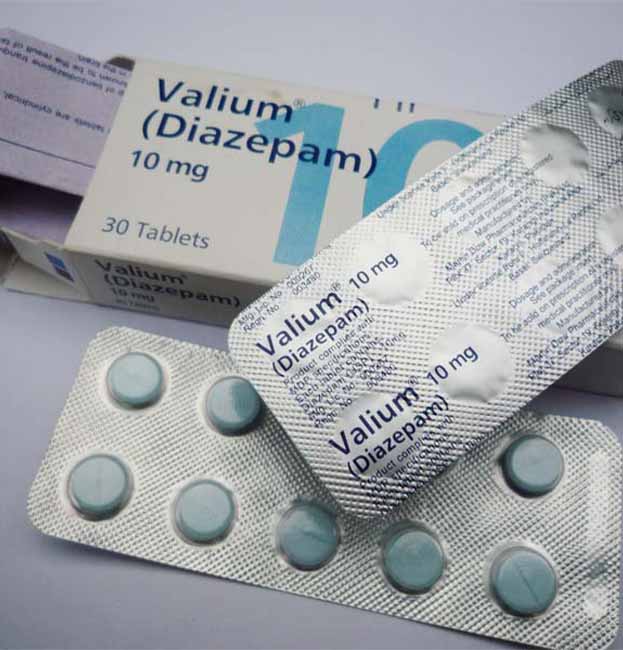
And if you are looking for the best place to buy insomnia medications online then come to Carecraftmedsnow.
We are a trusted online store in the UK USA EU that provides authentic quality medicines at highly competitive rates. You don’t need a prescription to place your order with us and you can get it delivered anywhere in the UK, USA ,EU. We offer secure and discreet packaging to protect your privacy. You can pay via various easy payment options including via Bitcoin for extra discounts. We have a wide range of essential medicines that you can order from us overnight