Millions of adults experience difficulty falling asleep or staying asleep at some point in their lives. Whether your sleep problems are caused by stress, travel, medical conditions, or chronic insomnia, choosing the right sleep aid can feel overwhelming.
Should you try an over-the-counter (OTC) sleep aid, or do you need a prescription medication? Understanding the differences can help you make informed decisions and use these medications safely.
Understanding Sleep Aids
Sleep aids are medications or supplements designed to help improve sleep quality. While they can be effective for certain situations, they are not a cure for insomnia and should be used alongside healthy sleep habits whenever possible.
There are two main categories:
- Prescription sleep medications prescribed by a healthcare provider
- Over-the-counter (OTC) sleep aids available without a prescription
Each has advantages, limitations, and potential side effects.
What Are OTC Sleep Aids?
OTC sleep aids are commonly used for occasional sleeplessness. Most contain antihistamines that produce drowsiness, while some products contain melatonin, a hormone involved in regulating the body’s sleep-wake cycle.
When OTC Sleep Aids May Help
OTC sleep aids may be appropriate for:
- Temporary insomnia caused by stress
- Jet lag
- Shift work adjustments
- Short-term sleep disturbances
- Occasional restless nights
These products are generally intended for short-term use rather than ongoing treatment.
Advantages of OTC Sleep Aids
- Available without a prescription
- Convenient and widely accessible
- Lower initial cost
- Helpful for occasional sleep problems
- Easy to find at most pharmacies
Possible Side Effects
Although available without a prescription, OTC sleep aids are not risk-free. Common side effects include:
- Morning drowsiness
- Dry mouth
- Constipation
- Blurred vision
- Difficulty concentrating
- Dizziness
Older adults are more likely to experience side effects and should speak with a healthcare provider before using these medications.
What Are Prescription Sleep Medications?
Prescription sleep medications are used when insomnia is frequent, severe, or long-lasting. Healthcare providers choose these medications based on a person’s symptoms, medical history, and overall health.
Different prescription medications work in different ways. Some help people fall asleep faster, while others help them stay asleep throughout the night.
Best Sleeping Pills in the UK,USA and Where To Buy
Some sleeping pills in the UK are more commonly prescribed by the doctors and recognized by many patients. Here are a few well-known options FDA and MHRA;
- Zopiclone 3.75mg
- Zolpidem 10mg UK
- Ksalol Alprazolam 1mg
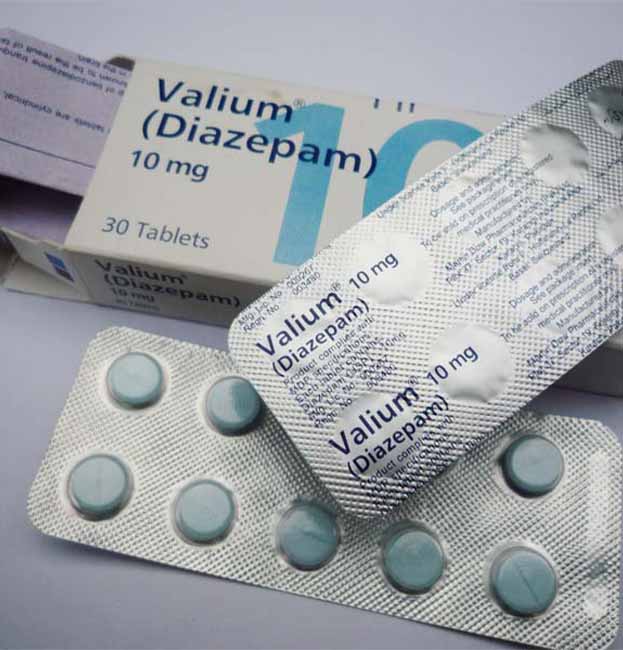
- Diazepam 5mg UK
- zopisign zopiclone 10mg
- Lorazepam 2mg
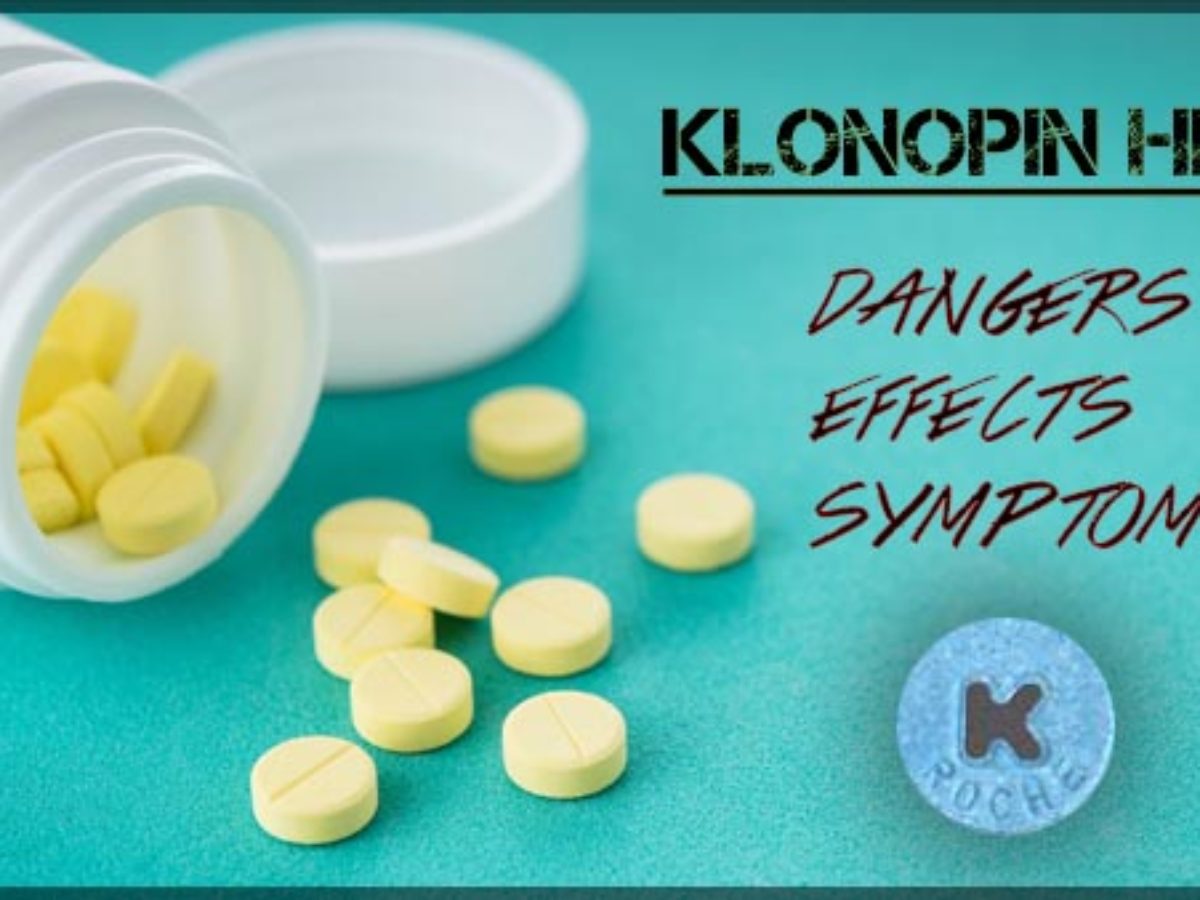
- klonopin (Clonazepam)
- Nitrazepam 10mg
Each works slightly differently. Strength, duration and side effects vary. Choice should always match your condition.
Prescription Sleep Medications May Be Recommended If You:
- Have chronic insomnia
- Wake frequently during the night
- Experience daytime fatigue from poor sleep
- Have tried lifestyle changes without improvement
- Have an underlying medical condition contributing to insomnia
Benefits of Prescription Sleep Aids
Prescription medications may provide:
- Stronger symptom relief
- Better sleep maintenance
- Improved sleep quality
- Individualized treatment plans
- Ongoing medical monitoring
Healthcare providers can also evaluate whether another medical condition is causing your sleep difficulties.
Risks of Prescription Sleep Medications
Like all medications, prescription sleep aids carry potential risks.
These may include:
- Daytime sleepiness
- Dizziness
- Memory impairment
- Dependence with certain medications
- Drug interactions
- Unusual sleep behaviors, such as sleepwalking, in rare cases
Patients should never increase the dose or stop certain prescription medications without consulting their healthcare provider.
Prescription vs. Over the Counter Sleep Aids: Side-by-Side Comparison
| Feature | OTC Sleep Aids | Prescription Sleep Aids |
|---|---|---|
| Prescription Required | No | Yes |
| Best For | Occasional insomnia | Chronic insomnia |
| Strength | Mild to moderate | Moderate to strong |
| Medical Supervision | Usually not required | Required |
| Long-Term Use | Not recommended | Only under medical guidance |
| Risk of Dependence | Low | May vary by medication |
| Cost | Usually lower | Often higher depending on insurance |
Which Sleep Aid Is Right for You?
The answer depends on the cause of your sleep problems.
An OTC sleep aid may be enough if your insomnia is temporary or related to a short-term event. However, persistent insomnia lasting weeks or months deserves medical evaluation.
Before choosing any sleep medication, consider:
- Your age
- Existing medical conditions
- Other medications you take
- Pregnancy or breastfeeding
- Alcohol use
- History of sleep disorders
A healthcare provider or pharmacist can help determine the safest option.
Sleep Aids Are Only Part of the Solution
Many people focus only on medication, but long-term sleep improvement usually requires addressing lifestyle habits.
Healthy sleep practices include:
- Going to bed at the same time every night
- Avoiding caffeine in the evening
- Limiting alcohol before bedtime
- Reducing screen time before sleep
- Exercising regularly
- Creating a cool, dark, and quiet bedroom environment
- Using relaxation techniques before bed
These habits can improve sleep quality and reduce reliance on medication over time.
When to Seek Medical Care
Talk with a healthcare provider if you:
- Have trouble sleeping for more than a few weeks
- Snore loudly or gasp during sleep
- Wake feeling unrefreshed most mornings
- Need sleep medication regularly
- Experience significant daytime fatigue
- Notice mood changes related to poor sleep
Persistent insomnia can sometimes be a sign of an underlying sleep disorder or medical condition that requires treatment.
Where to buy strong sleeping pills with less side effects and fast delivery ?
Getting prescription sleeping pills for insomnia over the counter can be difficult because medicines such as zopiclone and zolpidem are prescription-only in the UK and USA. All you need is to select the right medicine, choose appropriate quantity, and place order without prescription. There can be formalities for confirmation in the process. Once done, you will get the medicine delivered at your doorstep in a discrete packaging.
Buy Sleeping Pills Online in the UK
So yes, sleeping pills can be addictive. But only when misused or overused. Used correctly, they offer helpful relief. We believe medicines work best when used with limits and understanding. Don’t chase sleep with higher doses. Your health is in your own hands.
If you choose to buy sleeping pills online, choose the right platform like Carecraftmedsnow. We focus on safety, privacy and proper use. We offer discreet and secure delivery across the UK & USA. You can buy sleeping pills without prescription from our website. Even overnight delivery options are available. Prices are highly competitive and customer support is available.
Frequently Asked Questions
Can I switch between OTC and prescription sleep aids?
Do not switch or combine sleep medications without consulting a healthcare provider. Some combinations can increase the risk of excessive drowsiness, falls, or other adverse effects.
Are natural sleep aids safer?
Natural does not always mean safer. Supplements can still cause side effects or interact with medications. Discuss any supplement use with your healthcare provider.
Can sleep aids cure insomnia?
No. Sleep aids help manage symptoms but do not address the underlying causes of insomnia. Long-term treatment often includes behavioral strategies and lifestyle changes.
Are sleep aids safe for older adults?
Older adults may be more sensitive to the effects of sleep medications, particularly antihistamine-based OTC products. Medication choices should be individualized with guidance from a healthcare professional.
Key Takeaways
Prescription and OTC sleep aids each have a role in managing sleep problems, but the right choice depends on your individual situation. OTC products may be helpful for occasional insomnia, while prescription medications are typically reserved for more persistent or severe sleep difficulties.
Because sleep medications can have side effects and interactions, they should always be used responsibly. If your insomnia continues despite treatment or affects your daily life, seek medical advice to identify the underlying cause and develop a personalized treatment plan.